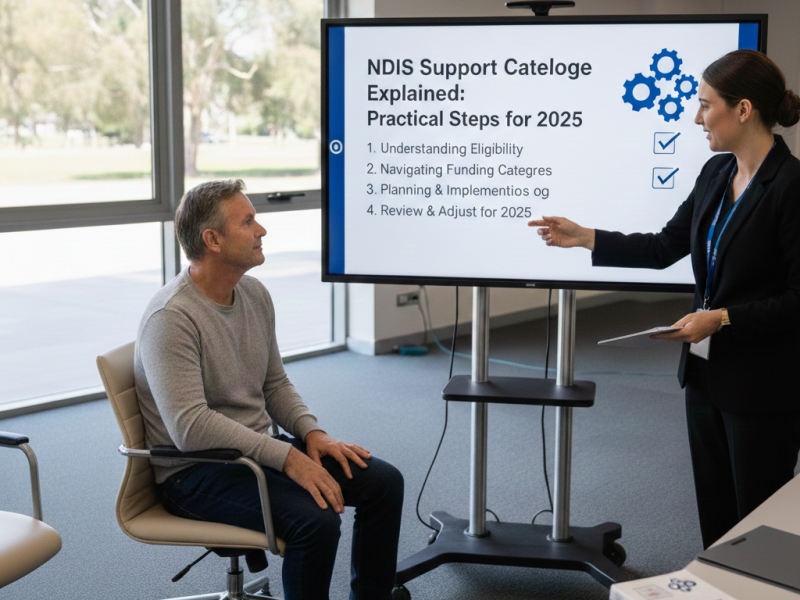


The NDIS Support Catalogue is an essential reference for Australian Disability Service Providers and Participants, offering a comprehensive list of approved supports, item numbers, and pricing limits. This guide provides a detailed and structured overview tailored for NDIS Providers, reflecting the latest 2025–2026 updates to help ensure compliance and accurate service delivery.
NDIS Support Catalogue Overview
The NDIS Support Catalogue is the official reference document listing every support item and service that Participants can purchase using their NDIS funding. It includes detailed information such as line item numbers, support descriptions, and maximum price limits. Covering a wide range of categories including Core Supports, Capital Supports, and Capacity Building Supports, the catalogue is regularly updated to reflect policy changes, pricing reviews, and evolving market conditions within the disability services sector.
Want to Attract More NDIS Clients?
Get expert advice on how to market your services, connect with clients, and grow your practice.
Key Features of NDIS Price List
The NDIS Price List is a vital reference for Providers, outlining approved service charges and ensuring fair, transparent pricing across the disability sector. Each product and service in the NDIS Support Catalogue is clearly identified with line item codes, descriptions, support categories, and maximum payable fees for registered NDIS Providers. This comprehensive document also details claim conditions, service requirements, and support inclusions to help Providers maintain compliance and consistency.
Regular updates align the Price List with wage growth, CPI changes, and NDIS policy adjustments. It also features categorised supports for easier navigation and practical guidance for plan managers and support coordinators interpreting pricing and claiming rules. By following the NDIS Price List, Providers can deliver accurate, transparent, and compliant services that meet current 2025–2026 standards.
Significance of the NDIS Support Catalogue
The NDIS Support Catalogue plays a crucial role in ensuring compliance with NDIS pricing and funding rules. It helps prevent overcharging, incorrect claims, and misunderstandings about service delivery. By referencing the catalogue, both Providers and Participants gain a clear understanding of approved supports, item codes, and pricing limits, allowing them to plan budgets and manage entitlements effectively.
Using the catalogue promotes transparency, accountability, and consistency across the NDIS marketplace. It supports informed decision-making, making funding discussions and service agreements clearer, fairer, and more equitable for everyone involved in the NDIS system.
How to Use the NDIS Support Catalogue for Budget Planning
Using the NDIS Support Catalogue for budget planning helps Providers and Participants manage funding effectively and stay within NDIS guidelines. The process involves identifying the correct support categories that align with each Participant’s goals and individual needs, reviewing the relevant line item codes, and checking the maximum approved rates to estimate service costs accurately.
Providers should also track any price changes that occur due to annual indexation, wage adjustments, or policy updates. Mapping out both recurring and one-off supports allows for a complete, compliant budget that reflects the Participant’s entire NDIS plan.
Regularly reviewing catalogue updates, training staff, and using digital planning tools to automate pricing and claims improves accuracy and efficiency. Clearly communicating with Participants about their funding limits and service inclusions ensures transparency and prevents overspending or compliance issues. When used effectively, the NDIS Support Catalogue supports tailored, sustainable, and compliant service delivery.
Pricing Changes and Updates in the 2025–2026 NDIS Support Catalogue
The 2025–2026 NDIS Support Catalogue, effective from 1 July 2025, introduces several important updates that Providers must understand to remain compliant and accurate in their claims.
A total of 23 new Intensive and Complex Behaviour Support items have been added to better address the needs of Participants with higher levels of support. Thirty-five outdated support items have been retired to streamline processes and improve regulatory clarity. Price caps for support workers and therapy supports have increased by an average of 3.95%, reflecting wage growth and superannuation adjustments.
Another major update is the removal of differential pricing between states and territories for therapy supports. While regional rates have decreased slightly, this change promotes consistency and fairness across all areas. In addition, disability-related health supports have been moved out of Core Supports, meaning Providers must update their line items and service categories accordingly.
These revisions align with current market conditions and NDIS funding policies. Providers should review the updated catalogue carefully, adjust their claims systems, and communicate changes with staff and Participants to ensure accuracy. Failing to adopt the new pricing structure may lead to compliance issues or rejected claims.
Tips for Providers and Participants When Using the NDIS Support Catalogue
To ensure accuracy and compliance, always download the latest official NDIS Support Catalogue from ndis.gov.au, as it contains the most current line item codes, pricing limits, and updates. Using digital search tools, spreadsheets, or plan management software can make it easier to locate supports quickly and revise claims efficiently.
It’s best practice to review catalogue updates regularly, particularly after NDIA quarterly or annual price reviews, to stay informed of any changes. Providers and Participants should communicate updates through newsletters, training sessions, or information briefings to ensure everyone understands new pricing structures or item adjustments.
Maintaining open communication between support coordinators, Participants, and Providers helps resolve any discrepancies or confusion about supports or costs. Always confirm whether Provider rates for services such as support work, therapy, travel, or cancellations align with the most recent catalogue. For complex queries or unclear line items, contact the NDIS Helpline or refer to official NDIA guidance to ensure accuracy and compliance.v
Referrals Start With Reputation – We’ll Help You Build Both
From networking tips to service refinement, we guide NDIS providers toward lasting impact.
Conclusion
The NDIS Support Catalogue is an indispensable tool for both NDIS Providers and Participants managing services under the scheme. It offers transparent, up-to-date, and standardised pricing and service information, supporting compliance with NDIS rules while promoting accountability and quality care.
By staying informed about catalogue releases and pricing updates, Providers can deliver sustainable, Participant-focused services that align with current NDIS funding structures. Regular use of the Support Catalogue helps ensure accurate budgeting, effective fund utilisation, and consistent, high-quality service delivery across the disability support sector.
FAQs
1. What is the NDIS Support Catalogue?
The NDIS Support Catalogue is a detailed register of all approved NDIS support items, including their unique line item codes, descriptions, and maximum pricing limits. It guides Providers and Participants by outlining what can be funded under the NDIS, ensuring services are billed correctly and within approved price caps.
2. How often is the NDIS Support Catalogue updated?
The NDIS Support Catalogue is typically updated annually on 1 July to reflect policy, wage, and market changes. However, smaller adjustments or pricing updates may occur throughout the year following NDIA reviews. Providers should regularly check ndis.gov.au for the latest version to maintain compliance.
3. How do you use the NDIS Support Catalogue?
Providers use the NDIS Support Catalogue to locate relevant support items, verify line item codes, and confirm the maximum allowable rates before delivering services. It assists with budgeting, claim preparation, and ensuring services align with Participant goals and NDIS plan funding. Correct use of the catalogue helps prevent billing errors and supports transparent, compliant service delivery.